Thu, 19 Feb 26
The End of Survey-Led Insights: Why 2026 Belongs to Behavioral Intelligence.
How modern market research is shifting from what customers say to what they actually do
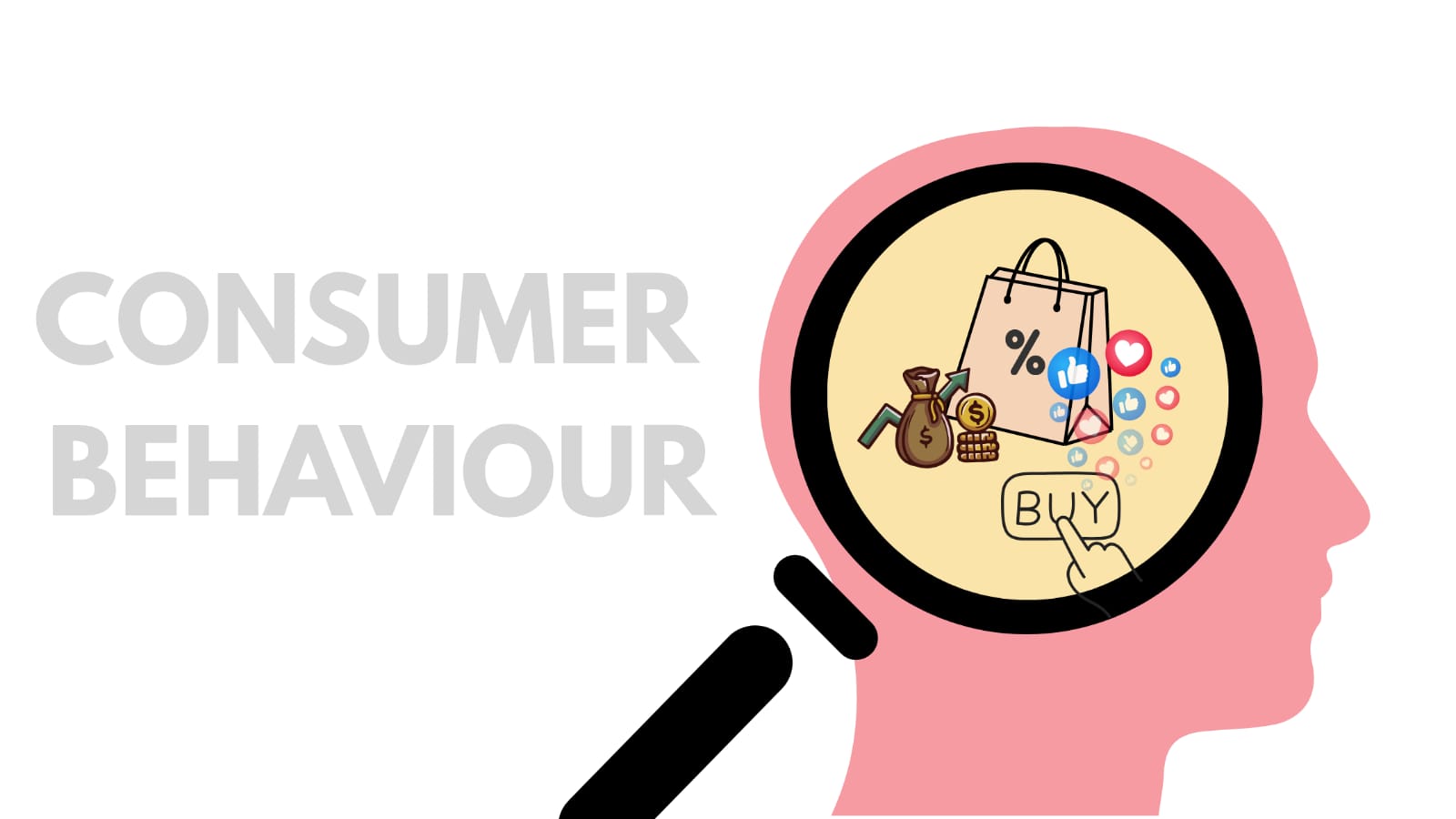
Stop Trusting What Customers Say. Start Trusting What They Do. Stop Trusting What Customers Say.
A behavioral-first playbook for modern market research in 2026 — by IMI LLC
The Problem No One Likes to Admit
You have seen this before:
-
A customer claims they want premium and sustainable
-
Your survey data confirms strong intent
-
Your product launches… and the demand disappears
This is not a data problem.
It is a method problem.
What people say in a controlled environment is rarely how they behave in the real world.
Why Stated Insights Are Breaking Down in 2026
Customers are no longer making decisions slowly or rationally.
They decide:
-
across devices
-
in fragmented digital moments
-
under social and emotional influence
-
with price, availability, and convenience constantly changing
When we ask them to explain these decisions after the fact, we force logic onto behavior that was never logical in the first place.
Surveys still capture opinions.
But opinions are no longer reliable predictors of action.
The 2026 Shift: From Opinion-Led Research to Behavior-Led Intelligence
The real transformation in market research is not automation.
It is evidence.
In 2026, winning insight programs are designed around what customers actually do — not what they remember doing.
1. Unconscious Sentiment
Understanding emotion, not just answers
Most feedback sounds neutral on the surface.
But emotion is carried in:
-
word choice
-
sentence structure
-
hesitation
-
tone
-
intensity
By analyzing voice and text signals together, we identify:
-
hidden frustration behind “it’s fine”
-
uncertainty behind positive wording
-
emotional resistance masked as neutrality
This reveals how customers truly feel — even when they cannot articulate it clearly.
2. Digital Ethnography
Observing real behavior in real environments
Traditional research still pulls people into artificial settings.
Behavioral insight watches customers where decisions actually happen:
-
social platforms
-
community forums
-
product review journeys
-
interaction and navigation paths
-
content engagement patterns
Instead of asking:
“Would you consider this product?”
We observe:
What triggered attention, comparison, delay, and abandonment.
This shift replaces self-reporting with behavioral evidence.
3. Predictive Simulation
Modeling future actions from past decisions
Consumers are poor forecasters of their own behavior.
Data is not.
Predictive simulation uses historical actions such as:
-
purchase timing
-
category switching
-
price sensitivity
-
promotion response
-
channel preference
to model how customers are most likely to act in upcoming market conditions.
The focus moves from:
declared intention → observed behavioral patterns
This is how teams stop guessing demand and start anticipating it.
Why This Matters More Than Ever
In 2026, the biggest risk is not bad data.
It is beautiful dashboards built on unreliable signals.
When strategy depends on:
-
memory-based answers
-
socially desirable responses
-
hypothetical scenarios
your forecasts inherit those distortions.
Behavior does not.
What We Are Changing at IMI LLC
At IMI LLC, our research programs are now designed around one principle:
Behavior is the primary source of truth.
Attitudes are context, not direction.
This means:
-
fewer stand-alone surveys
-
more continuous behavioral data streams
-
deeper emotional signal analysis
-
stronger forward-looking simulation models
The outcome is not more data.
It is better decisions.
The Bottom Line
Your customers do not truly know what they want.
They discover it when:
-
the price is right
-
the timing feels safe
-
the experience removes friction
-
the emotional signal aligns
So stop auditing what customers say.
Start auditing what they do.